PTSD TREATMENT • WEST PALM BEACH, FLORIDA

Online PTSD Treatment in West Palm Beach, Florida

Essential Mind Health provides online PTSD evaluation and treatment for adults in West Palm Beach, Florida. Jennifer Caschetta, PMHNP-BC, a board certified psychiatric nurse practitioner, diagnoses post traumatic stress disorder by secure video, manages medication for PTSD, anxiety, depression, and trauma related sleep problems, and refers patients to therapists who use trauma focused methods. Patients in Downtown, Northwood, El Cid, and across the city join from home, so no one has to sit in a waiting room. In person visits are available at our clinic in Jupiter.

PTSD Symptoms and When to Seek Treatment

After a frightening event, almost everyone has a rough few weeks. You replay it, you sleep badly, you jump at noises. For most people this eases with time. PTSD is when it doesn’t. A month or more later, the memories still come back, you still avoid anything that reminds you, and your body still acts as if the danger hasn’t ended.

You don’t have to have been in a war to have PTSD. A car crash on I-95, an assault, a medical emergency, a hurricane, a sudden death, or years of fear at home can all do it. It’s a reaction of the brain and body to something overwhelming, not a weakness or a character flaw. Our article on how trauma affects mental health explains what happens.

HOW PTSD SHOWS UP

Types of Trauma and PTSD We Treat

After a Crash, Injury, or Medical Emergency

A serious car accident, a fall, surgery that went wrong, or a night in intensive care can leave you reliving it. Many people get tense just driving the road where it happened, or hearing an ambulance.

After Violence, Assault, or Abuse

Being attacked, threatened, or abused leaves deep marks, and shame or fear can keep people quiet for years. Treatment doesn’t require you to tell the story in detail on the first day.

After a Hurricane, Fire, or Other Disaster

Florida storms can mean days of fear, damaged homes, lost power, and a long cleanup. For some people the sound of high wind or a storm warning brings it all back.

From Work That Exposes You to Trauma

Firefighters, paramedics, police officers, nurses, and military veterans see and do things most people never face. Repeated exposure can add up, and some people feel they should be able to handle it.

Trauma That Began in Childhood

Neglect, abuse, or an unsafe home can shape how you see yourself and trust others well into adulthood. When it lasts for years, it can cause a broader set of symptoms, sometimes called complex PTSD. See complex PTSD vs PTSD and childhood trauma.

Symptoms That Come Late or in Waves

Some people seem fine for months or years. Then an anniversary, a news story, a new stress, or a sound sets it off. Learning your triggers is part of getting control. Understanding PTSD triggers is a good place to start.
DIAGNOSIS

PTSD Evaluation and Diagnosis in West Palm Beach

You won’t be asked to retell the whole story in your first visit. Jennifer needs to know the basics: what kind of event it was, roughly when it happened, and how you’ve been since. She focuses on what you’re experiencing now, such as flashbacks, nightmares, avoiding certain places, feeling numb, trouble sleeping, being easily startled, and strong guilt or shame.

She may use a short questionnaire called the PCL-5, which has 20 questions and scores how much these problems bother you. It helps track progress over time, but it doesn’t replace the conversation. Generally, symptoms must last longer than four weeks and disrupt daily life before PTSD is diagnosed.

Because trauma often travels with other problems, she also asks about depression, anxiety, alcohol, drugs, and sleep. You set the pace, and you can ask to pause or come back to a topic at any time.

PTSD Treatment Options

Trauma Focused Therapy

The therapies with the strongest research for PTSD work directly with the memory and the thoughts around it, at a pace you can handle. Examples include cognitive processing therapy, prolonged exposure, and EMDR. Jennifer refers you to a therapist trained in these methods and stays in touch with them. How therapy works covers what to expect.

Medication for PTSD and Related Symptoms

Some antidepressants have been studied for PTSD and can ease anxiety, low mood, and intrusive thoughts. Jennifer explains the options, starts low, and adjusts at follow ups. Medication often works best alongside therapy and doesn't have to be forever.

Help With Nightmares and Sleep

Trauma often breaks sleep. Nightmares, waking in a panic, and fear of going to sleep can be treated on their own, not just as part of PTSD. Sleep and mental health explains why this matters so much for recovery.

Working Alongside Your Therapist

If you already see a trauma therapist, Jennifer can handle medication and coordinate with your therapist, so you don't have to choose between them. She also screens for alcohol and drug use, which are common ways people cope after trauma.

Benefits of PTSD Treatment

Memories lose their grip

Flashbacks and intrusive thoughts become less frequent and less intense, and you can think about what happened without being pulled back into it.

Sleep gets easier

Nightmares ease, and falling and staying asleep become more realistic.

Fewer places feel off limits

Roads, crowds, storms, and certain smells or sounds start to feel manageable again.

The body settles

Feeling on guard, jumpy, or tense all the time softens, and rest becomes possible.

Closeness gets safer

Numbness and irritability ease, so it gets easier to be with the people you love.

Signs You May Need PTSD Treatment

What PTSD can look like day to day

Why Choose Essential Mind Health for PTSD Treatment in West Palm Beach

You set the pace

Jennifer doesn't push you to tell your story before you're ready. The first visits focus on what you're going through now and what would help.

Experience with trauma and substance use

With 15 years as a registered nurse in dual diagnosis and mental health care, Jennifer understands how often alcohol and drugs show up alongside trauma, and screens for them without judgment.

Care from a place where you feel safe

If crowds, traffic, or waiting rooms are hard, a video visit from your own home removes that barrier. You can choose a room where you feel most at ease.

MEET YOUR PROVIDER

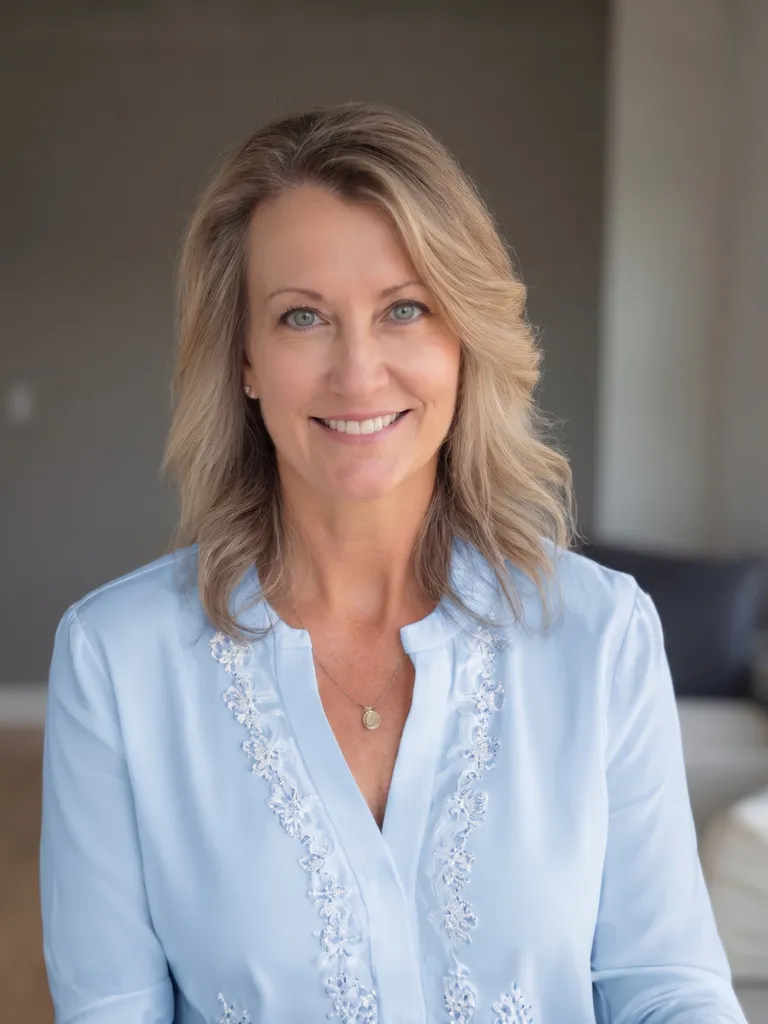
Jennifer Caschetta, PMHNP-BC

I have worked as a nurse for more than 18 years, 15 of them as a registered nurse in dual diagnosis substance abuse and mental health care, and I am a board certified Psychiatric Mental Health Nurse Practitioner (PMHNP-BC). I evaluate and treat adults with PTSD and trauma related anxiety, depression, and sleep problems by secure video. Alcohol and drugs are common ways people cope with trauma, so I screen for them with care and without judgment. I work alongside trauma therapists, and I take time to understand the whole person, not only the symptoms.

Book a PTSD Evaluation in West Palm Beach

You don't have to carry it alone

If something that happened is still shaping your sleep, your mood, or where you feel safe, an evaluation can give you answers and a plan. Visits happen by video from home, anywhere in Florida, and you decide how much to share and when.

Also Serving

Online PTSD Treatment Across West Palm Beach and Nearby Areas

Every visit is video, so this care reaches adults throughout West Palm Beach and nearby Florida communities.

Palm Beach Gardens Jupiter North Palm Beach Hobe Sound Lake Worth Beach Riviera Beach Royal Palm Beach Wellington Greenacres Palm Springs

Not on the list? Reach out anyway. The requirement is being physically in Florida at the time of the visit, not a specific zip code.

Anxiety

Evaluation and Medication Management

Depression

Evaluation and Medication Management

ADHD

Evaluation and Medication Management

Bipolar Disorder

Diagnosis and Mood Stabilization

Insomnia

Diagnosis and Sleep Care

HELPFUL ANSWERS

Frequently Asked Questions

Yes. Adults in West Palm Beach can see Jennifer Caschetta, PMHNP-BC, a psychiatric nurse practitioner at Essential Mind Health, by secure video. She evaluates PTSD, manages medication, and refers to therapists who use trauma focused methods. We don’t have an office in West Palm Beach, so you join from home or any private spot in Florida. Our clinic is in Jupiter if you’d rather meet in person. Adults in nearby Palm Beach Gardens can read about online PTSD treatment in Palm Beach Gardens.

Yes. It doesn’t matter whether you live near Clematis Street, Northwood, El Cid, or out near Palm Beach Lakes Boulevard, or whether you work in a downtown office, a hospital, a restaurant, or a hotel. You only need to be physically in Florida and in a private spot during the visit. That makes it easy to fit in a lunch hour, an early morning before work, or an evening after a shift. Call (561) 954-5123 if you have trouble with the video link.

Stress after a frightening event is normal and often fades in a few weeks. PTSD continues beyond the first month and interferes with life: flashbacks, nightmares, avoiding reminders, feeling numb, being constantly on guard, and strong guilt or shame. If your symptoms are getting worse instead of better, or they stop you from working, sleeping, or being around people, get evaluated. The long term effects of untreated PTSD show why waiting is risky.

Yes. Most people with PTSD have never served. Car crashes, assaults, serious illness, the death of someone close, natural disasters, and childhood abuse can all lead to PTSD. Veterans and first responders are at risk because of repeated exposure, but anyone who has faced something overwhelming can develop it.

No. Jennifer needs the basics, such as the type of event and when it happened, and then focuses on how you’re doing now. You decide how much to share. Detailed work on the memory happens later, with a trauma therapist, at a pace that works for you.

After trauma, the brain’s alarm system stays turned up. Your body acts as if danger is still near, so you startle easily, scan the room, and struggle to relax. It’s not weakness. It’s a protective response that got stuck, and treatment helps it settle. See PTSD triggers.

Trauma focused therapies have the strongest evidence. These include cognitive processing therapy, prolonged exposure, and EMDR. Each helps you work through the memory and change the beliefs about safety, blame, and trust that it created. Jennifer refers you to a therapist trained in these approaches and works alongside them.

Not always. Some people do well with therapy alone. Medication can help when anxiety, depression, or sleep problems are severe, or when symptoms make it hard to take part in therapy. Jennifer explains the benefits and side effects and you decide together. Medication can often be reduced later.

Yes. Nightmares and sleep problems can be addressed directly, not only through treating the PTSD as a whole. Jennifer asks how often they happen, how they affect your sleep and mood, and what you’ve tried, then discusses options. Better sleep usually makes everything else easier to manage.

They can. Living through a hurricane can involve fear for your life, damage to your home, and weeks of disruption, and some people are left anxious, sleepless, or on edge whenever storm season returns. If those reactions stay strong months later, or storm warnings trigger panic, it’s worth getting checked. Panic attacks explained may also help.

Yes. Symptoms sometimes start six months or more after the event, or return after years of feeling fine. A new stress, a loss, an anniversary, or a reminder can bring them back. It’s called delayed onset PTSD, and it responds to treatment like other forms. Read about recovery from PTSD.

Yes. Many people keep their therapist and add medication management here. Jennifer coordinates with your therapist if you give permission, so you aren’t getting two different plans. Bring your therapist’s name and a list of what you take now.

Often, yes. Bring a list of your medications and doses, the name of your current prescriber, and any records you have. At the first visit Jennifer reviews how the medication is working and decides with you whether to continue, adjust, or change it. Keep taking your current medication until you’ve been seen.

The insurances page lists the plans we work with. Coverage for telehealth varies by plan, so call the number on your card and ask whether video behavioral health visits are covered, what your copay is, and whether you need a referral. If your plan isn’t listed or you’d rather not use insurance, call the office to ask about your options.

It varies. Trauma focused therapy often runs about twelve to sixteen sessions, and many people notice changes along the way. Medication, if used, may take a few weeks to show benefit. Complex or long standing trauma can take longer. Progress isn’t always steady, and a hard week doesn’t mean treatment isn’t working.

That can happen, especially with trauma focused therapy. It tends to ease as you build skills and the memory loses its charge. A good therapist paces the work, teaches you ways to ground yourself, and checks in often. Tell Jennifer or your therapist if it feels like too much, because the pace can be changed.

Listen without pushing for details, and let them decide what to share. Learn their triggers, such as loud noises, certain places, or anniversaries, and give warning where you can. Keep routines steady, and avoid taking anger or distance personally, since it’s usually a symptom. Encourage an evaluation, and look after your own health too. Adults can book a video visit themselves, and our trauma and mental health article is a good place to start.

Yes, and these are some of the most common effects. Anger can come from living on high alert. Alcohol or drugs may feel like the only way to sleep or calm down, but they usually make symptoms worse. Numbness and avoidance can strain a marriage or friendships. These aren’t signs that you’re a bad person. They’re signs that PTSD is affecting your life, and treatment can help with all of them.

Call or text 988, the Suicide and Crisis Lifeline, if you’re thinking about harming yourself. Veterans can dial 988 and press 1. Call 911 if you’re in immediate danger. You can also go to the nearest emergency room, such as St. Mary’s Medical Center or Good Samaritan Medical Center in West Palm Beach. Video visits aren’t an emergency service. If you’re safe but symptoms are getting worse, contact the office.