
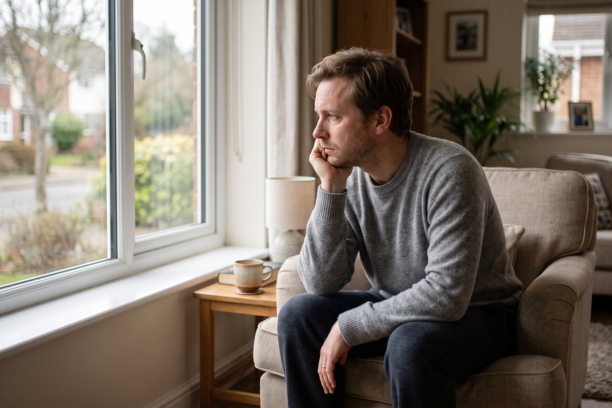
Long-Term Effects of Untreated PTSD
Post-Traumatic Stress Disorder (PTSD) is a serious mental health condition that can develop after experiencing or witnessing a traumatic event. While many people recover naturally from trauma over time, others continue to experience distressing symptoms that interfere with their daily lives. When PTSD goes untreated, its effects can become more severe and may impact nearly every aspect of a person’s physical, emotional, and social well-being.
Many adults believe they simply need more time to “move on” after a traumatic experience. Others avoid seeking help because they fear discussing painful memories or believe asking for support is a sign of weakness. Unfortunately, untreated PTSD rarely disappears on its own. Instead, symptoms may gradually worsen, making everyday responsibilities, relationships, and overall health increasingly difficult to manage.
Understanding the long-term effects of untreated PTSD is important because early recognition and professional treatment can significantly improve recovery and quality of life.
At Essential Mind Health, we provide compassionate mental health care for individuals living with trauma-related conditions. Our goal is to help adults understand PTSD, manage symptoms effectively, and build healthier, more fulfilling lives.
What Is PTSD?
Post-Traumatic Stress Disorder is a mental health condition that develops after experiencing or witnessing a traumatic event such as military combat, physical assault, sexual violence, domestic abuse, serious accidents, natural disasters, childhood trauma, or the sudden loss of a loved one.
Trauma affects every individual differently. While one person may gradually recover without lasting emotional difficulties, another may continue experiencing symptoms months or even years after the event.
PTSD changes the way the brain processes fear, stress, and memories. Instead of recognizing that the traumatic event has ended, the brain may continue responding as though danger is still present. This ongoing state of heightened alertness can interfere with emotional regulation, concentration, sleep, and daily functioning.
Without treatment, these symptoms often become deeply ingrained, making recovery more challenging over time.
Common Symptoms of PTSD
PTSD symptoms generally fall into four major categories that can significantly affect daily life.
Many individuals experience intrusive memories, including unwanted thoughts, nightmares, or vivid flashbacks that make the traumatic event feel as though it is happening again. These experiences can be emotionally overwhelming and difficult to control.
Avoidance is another common symptom. Adults with PTSD often avoid people, places, conversations, or activities that remind them of the traumatic event. While avoidance may temporarily reduce emotional distress, it often reinforces fear and prevents healing.
Changes in mood and thinking are also common. Individuals may struggle with persistent guilt, shame, hopelessness, emotional numbness, difficulty trusting others, or feeling disconnected from family and friends.
Many adults also experience increased arousal and reactivity. They may startle easily, feel constantly on guard, become irritable, struggle with anger, or have ongoing difficulty sleeping.
When these symptoms continue without treatment, they often begin affecting multiple areas of life.
Why PTSD Should Never Be Ignored
Some individuals attempt to cope with PTSD by keeping themselves busy or avoiding reminders of the trauma. Others turn to unhealthy coping mechanisms in hopes of reducing emotional pain. While these approaches may provide temporary relief, they rarely address the underlying condition.
PTSD is not simply a memory of a difficult event. It is a condition that changes how the brain and body respond to stress. Over time, untreated PTSD may contribute to chronic anxiety, depression, relationship difficulties, substance misuse, physical health problems, and decreased overall quality of life.
The earlier PTSD is recognized and treated, the greater the opportunity for meaningful recovery.
Long-Term Emotional Effects of Untreated PTSD
One of the most significant consequences of untreated PTSD is its lasting impact on emotional health. Many adults begin experiencing persistent feelings of fear, sadness, anger, guilt, or emotional numbness that continue long after the traumatic event has passed.
Living in a constant state of emotional distress can make it difficult to experience happiness, relaxation, or a sense of safety. Individuals may lose interest in activities they once enjoyed and gradually withdraw from family members and friends.
Over time, emotional regulation also becomes more difficult. Small daily frustrations may trigger intense emotional reactions, making it harder to manage work responsibilities, parenting, or interpersonal relationships.
Without professional support, these emotional struggles often become more severe and increasingly difficult to overcome.
Chronic Anxiety and Hypervigilance
Many adults living with untreated PTSD remain in a continuous state of hypervigilance. Even in safe environments, the brain continues scanning for potential danger as though the traumatic event could happen again at any moment.
This constant state of alertness places tremendous strain on both the mind and body. Individuals may struggle to relax, become easily startled by unexpected sounds, avoid crowded places, or constantly monitor their surroundings.
Living with chronic anxiety for months or years can be physically exhausting. The body’s stress response remains activated far longer than it was designed to, increasing emotional fatigue and reducing overall quality of life.
Many people describe feeling mentally drained before the day has even begun because their nervous system is working continuously to protect them from threats that no longer exist.
Depression Can Develop Alongside Untreated PTSD
One of the most common long-term effects of untreated PTSD is the development of depression. Living with constant fear, intrusive memories, and emotional distress can gradually wear down a person’s emotional resilience. Over time, many individuals begin to lose interest in activities they once enjoyed and struggle to find motivation in their daily lives.
Depression related to PTSD may cause persistent sadness, hopelessness, low self-esteem, and feelings of guilt. Some people blame themselves for what happened, even when the traumatic event was completely beyond their control. Others may feel emotionally numb, making it difficult to experience happiness or connect with loved ones.
As depression becomes more severe, everyday responsibilities such as working, maintaining relationships, or caring for oneself may become increasingly difficult. Without professional support, both PTSD and depression can continue reinforcing each other, creating a cycle that becomes harder to break.
Treating PTSD early often reduces the likelihood of developing depression and improves overall emotional well-being.
Sleep Problems and Chronic Nightmares
Healthy sleep is essential for emotional recovery, yet many adults with PTSD struggle to get the restorative rest their bodies and minds need.
Nightmares are one of the most recognizable symptoms of PTSD. Some individuals repeatedly dream about the traumatic event, while others experience frightening dreams that create intense fear without directly replaying the trauma. These nightmares may cause frequent awakenings and make returning to sleep difficult.
Many adults also experience insomnia, difficulty falling asleep, or restless sleep because their nervous system remains in a heightened state of alertness. Even after spending enough hours in bed, they may wake up feeling physically exhausted and mentally drained.
Poor sleep affects nearly every aspect of daily life. It reduces concentration, weakens emotional regulation, increases irritability, and contributes to chronic fatigue. Over time, ongoing sleep deprivation can worsen both PTSD symptoms and overall mental health.
Improving sleep often becomes an important part of a comprehensive PTSD treatment plan.
Physical Health Can Be Affected
PTSD is often thought of as an emotional condition, but its long-term effects extend far beyond mental health. Living with chronic stress places continuous strain on the body, affecting multiple organ systems.
When the brain constantly perceives danger, it repeatedly activates the body’s stress response. Stress hormones such as cortisol and adrenaline remain elevated for extended periods, increasing wear and tear on the body.
Adults living with untreated PTSD may experience chronic headaches, muscle tension, digestive problems, fatigue, chest discomfort, and persistent physical pain. Some research also suggests that prolonged stress may contribute to an increased risk of high blood pressure, cardiovascular disease, weakened immune function, and metabolic disorders.
Although PTSD begins as a mental health condition, it can gradually influence overall physical wellness if left untreated.
Difficulty Concentrating and Memory Problems
Many adults with PTSD notice changes in their ability to think clearly. They may struggle to concentrate during conversations, forget important appointments, or find it difficult to complete tasks that once felt manageable.
These cognitive difficulties often occur because the brain remains focused on detecting potential threats rather than processing new information efficiently. Constant stress consumes mental energy, leaving fewer resources available for learning, memory, and decision-making.
At work, this may appear as decreased productivity or difficulty staying organized. At home, individuals may forget routine responsibilities or become overwhelmed by simple daily decisions.
These cognitive challenges are not signs of reduced intelligence. They are common symptoms of PTSD and often improve with appropriate treatment.
Relationship Difficulties
Healthy relationships depend on trust, communication, emotional availability, and a sense of safety. Unfortunately, untreated PTSD can make each of these areas more difficult.
Many individuals become emotionally distant because discussing their trauma feels overwhelming. Others avoid closeness out of fear of becoming vulnerable again. Irritability, anger, emotional numbness, or difficulty expressing affection can also create misunderstandings with partners, family members, and close friends.
Loved ones may not understand why someone suddenly withdraws from conversations, avoids social activities, or reacts strongly to situations that seem harmless. Without understanding PTSD, family members may mistakenly interpret these behaviors as rejection or lack of interest.
Open communication and professional treatment can help individuals rebuild trust, strengthen relationships, and improve emotional connection over time.
Social Isolation and Loneliness
Avoidance is one of the defining symptoms of PTSD, and over time it can lead to significant social isolation.
Adults living with untreated PTSD may begin avoiding crowded places, family gatherings, public events, or even close friendships because these situations feel emotionally overwhelming or trigger traumatic memories.
While isolation may temporarily reduce anxiety, it often creates new emotional challenges. Spending less time with supportive people increases loneliness, sadness, and feelings of disconnection.
Human connection plays an important role in emotional healing. Maintaining supportive relationships can reduce stress, improve resilience, and remind individuals that they do not have to face recovery alone.
Breaking the cycle of isolation often begins with small, manageable steps and professional guidance.
How PTSD Can Affect Work and Career
The symptoms of PTSD do not stay at home, they often affect professional life as well.
Persistent anxiety, difficulty concentrating, poor sleep, and emotional distress can reduce productivity and make it harder to perform everyday job responsibilities. Adults may struggle to meet deadlines, remember important information, or stay focused during meetings.
Some individuals avoid certain workplaces or career opportunities because they remind them of traumatic experiences. Others may frequently miss work due to overwhelming emotional symptoms or chronic fatigue.
These challenges can lead to financial stress, reduced confidence, and additional anxiety, further reinforcing the impact of untreated PTSD.
Receiving professional treatment often helps individuals regain confidence, improve workplace performance, and restore greater balance between their personal and professional lives.
Unhealthy Coping Mechanisms
When PTSD remains untreated, some individuals attempt to manage emotional pain through unhealthy coping strategies. Rather than addressing the underlying trauma, these behaviors often provide only temporary relief while creating additional problems.
Some adults may misuse alcohol or drugs to numb painful memories or reduce anxiety. Others may engage in emotional eating, social withdrawal, excessive work, or other avoidant behaviors that prevent them from processing their experiences.
Although these coping methods may seem helpful in the short term, they frequently worsen emotional health over time and increase the risk of developing additional mental health conditions.
Learning healthy coping skills through therapy provides safer, more effective ways to manage stress and emotional distress while supporting long-term recovery.
PTSD Can Change How You See Yourself
One of the most overlooked long-term effects of untreated PTSD is the impact it can have on a person’s identity and self-esteem. Trauma often changes the way people think about themselves, others, and the world around them.
Many adults begin believing they are permanently damaged or that they should have handled the traumatic event differently. Feelings of guilt, shame, or self-blame are common, even when the trauma was completely beyond their control.
Over time, these negative beliefs can become deeply rooted. Individuals may lose confidence in their abilities, question their worth, or feel disconnected from the person they were before the traumatic experience.
These distorted beliefs can affect personal relationships, career goals, and future aspirations. Without treatment, they often become stronger, making emotional recovery more difficult.
Professional therapy helps individuals challenge these negative thought patterns, process traumatic experiences in a healthy way, and rebuild a more positive sense of self.
Increased Risk of Other Mental Health Conditions
PTSD rarely exists on its own. When left untreated, it can increase the likelihood of developing additional mental health conditions that further affect daily functioning.
Many adults experience anxiety disorders, panic attacks, depression, or chronic stress alongside PTSD. The emotional strain of constantly reliving traumatic memories can leave individuals feeling overwhelmed and emotionally exhausted.
Some people also develop persistent fears, obsessive thinking, or difficulty regulating emotions. These conditions can overlap, making symptoms more complex and recovery more challenging if professional care is delayed.
A comprehensive mental health evaluation helps identify all contributing conditions so they can be treated together rather than individually.
Emotional Burnout and Everyday Exhaustion
Living with untreated PTSD is mentally and physically exhausting. The brain remains in survival mode for extended periods, continuously monitoring the environment for potential danger.
This constant state of alertness requires significant emotional energy. Many adults report feeling drained before the day has even begun because their minds never truly have the opportunity to rest.
Tasks that once felt simple may begin to feel overwhelming. Maintaining conversations, making decisions, completing work assignments, or participating in social activities can require much more effort than before.
Over months or years, this emotional burnout can significantly reduce overall quality of life and make recovery feel increasingly difficult.
Why Early Treatment Makes a Difference
One of the most important things to understand about PTSD is that effective treatment is available. Many people wait years before seeking help because they hope symptoms will eventually disappear on their own. Unfortunately, untreated PTSD often becomes more deeply ingrained over time.
Early intervention allows individuals to begin processing traumatic experiences before unhealthy coping patterns become firmly established. Treatment can reduce symptom severity, improve emotional regulation, strengthen relationships, and restore confidence in daily life.
Seeking help early does not erase the traumatic event, but it helps individuals develop healthier ways of responding to trauma and reclaim control over their lives.
Recovery is possible, regardless of how long ago the traumatic event occurred.
Effective Treatment Options for PTSD
There is no single treatment that works for everyone. The most effective care is personalized and based on each individual’s symptoms, history, and goals.
Evidence-based therapies are considered the foundation of PTSD treatment. Cognitive Behavioral Therapy (CBT) helps individuals recognize and change unhelpful thought patterns related to trauma. Trauma-focused therapies provide structured approaches for safely processing distressing memories while reducing their emotional intensity.
For some adults, medication may also be recommended to help manage symptoms such as anxiety, depression, or sleep disturbances. Medication decisions should always be made in consultation with a qualified healthcare provider.
Healthy lifestyle habits also support recovery. Regular physical activity, quality sleep, balanced nutrition, mindfulness practices, and strong social connections all contribute to improved emotional well-being.
Many individuals benefit from combining multiple treatment approaches as part of a comprehensive recovery plan.
Building Resilience After Trauma
Although trauma can have lasting effects, it does not define a person’s future. Healing is possible, and many individuals develop greater emotional resilience through the recovery process.
Building resilience begins with acknowledging that recovery takes time. Small, consistent steps often create meaningful progress. Attending therapy sessions, practicing healthy coping skills, maintaining supportive relationships, and celebrating small achievements all contribute to long-term healing.
It is also important to practice self-compassion. Many people living with PTSD are highly critical of themselves, believing they should have recovered more quickly. Recognizing that healing is a gradual process can reduce self-judgment and encourage continued progress.
With appropriate support, individuals can regain confidence, strengthen relationships, and rediscover activities that bring purpose and fulfillment.
When Should You Seek Professional Help?
If symptoms of PTSD continue for more than a month, interfere with daily responsibilities, or affect relationships, work, or emotional well-being, it is important to seek professional support.
Warning signs may include frequent nightmares, intrusive memories, avoiding reminders of trauma, feeling constantly on edge, emotional numbness, difficulty concentrating, persistent anxiety, or ongoing sadness.
Some individuals delay treatment because they believe their symptoms are not “serious enough.” However, PTSD exists on a spectrum, and early support can prevent symptoms from becoming more severe.
Mental health professionals provide compassionate, evidence-based care that helps individuals process trauma safely while developing practical coping strategies for everyday life.
Bringing It All Together
Understanding the long-term effects of untreated PTSD highlights why professional support is so important. Without treatment, PTSD can affect emotional well-being, physical health, relationships, work performance, sleep, and overall quality of life. Over time, symptoms may become more intense, making everyday responsibilities increasingly difficult to manage.
The encouraging news is that recovery is possible. With evidence-based therapy, personalized treatment, healthy lifestyle habits, and ongoing support, many adults experience significant improvements in their symptoms and regain a sense of safety, confidence, and emotional balance.
Seeking help is not about forgetting the past. It is about learning how to move forward without allowing trauma to control your future.
At Essential Mind Health, we are committed to helping adults understand trauma, manage PTSD symptoms, and build personalized treatment plans that support long-term healing and emotional wellness. With compassionate care and the right support, recovery is possible at any stage of life.
Sources
- National Center for PTSD (U.S. Department of Veterans Affairs)
- National Institute of Mental Health – Post-Traumatic Stress Disorder
- American Psychological Association – Trauma and PTSD Resources
This article is for general educational purposes and does not provide medical advice, diagnosis or treatment. If you are experiencing a life-threatening emergency, call 911. If you or someone you know is having suicidal thoughts or experiencing a mental health crisis in the United States, call or text 988.