

How Childhood Trauma Can Shape Adult Life?
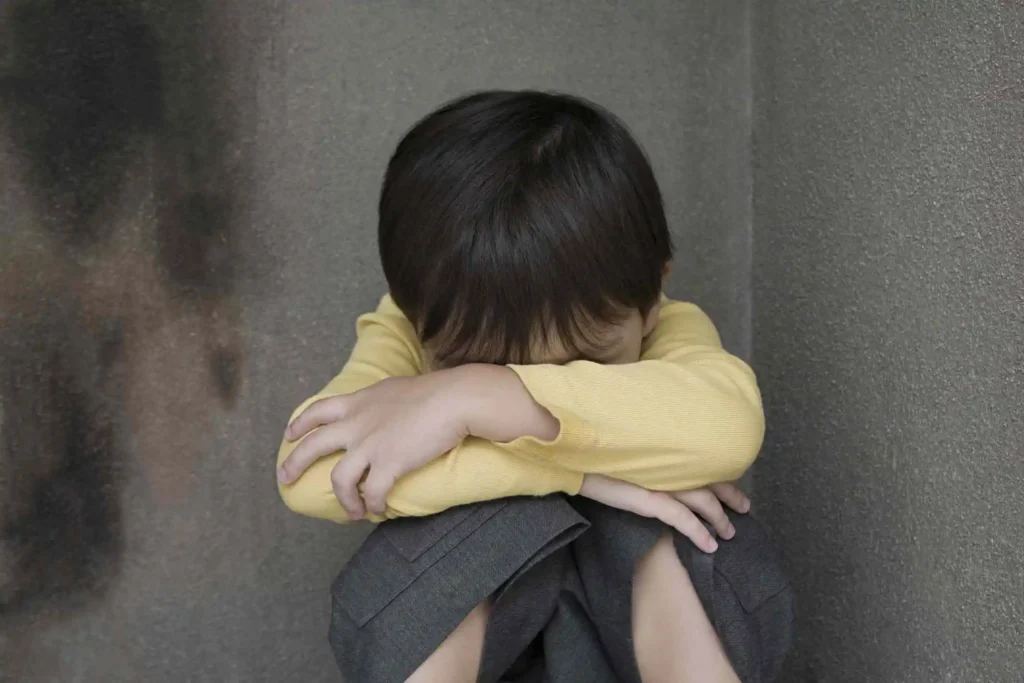
Childhood Trauma is more common than many people realize, yet its effects often remain hidden for years. Many adults struggle with anxiety, depression, relationship challenges, low self-esteem, or emotional regulation difficulties without recognizing that Childhood Trauma may be a contributing factor.
When Childhood Trauma occurs during critical developmental years, it can affect the way a person thinks, feels, and responds to stress throughout adulthood. Whether caused by neglect, emotional abuse, physical abuse, household dysfunction, loss of a parent, or other adverse childhood experiences, Childhood Trauma can leave lasting emotional and psychological imprints.
Understanding Childhood Trauma?
Childhood Trauma refers to distressing experiences that overwhelm a child’s ability to cope. These experiences may include:
- Physical abuse
- Emotional abuse
- Sexual abuse
- Neglect
- Domestic violence exposure
- Parental substance abuse
- Loss of a caregiver
- Chronic bullying
- Community violence
Not every difficult childhood experience results in trauma. However, when events significantly impact a child’s sense of safety, trust, or emotional well-being, long-term consequences may develop.
Why Childhood Trauma Often Goes Unrecognized
Many adults believe that because traumatic events happened years ago, they should no longer affect them. Unfortunately, the brain and body often continue responding to unresolved trauma long after the original events have ended.
People may normalize unhealthy family dynamics or dismiss painful childhood experiences. Others develop coping mechanisms that temporarily mask symptoms while underlying emotional wounds remain unaddressed.
As a result, Childhood Trauma frequently presents as everyday struggles rather than obvious trauma symptoms.
Powerful Signs Childhood Trauma May Be Affecting Your Daily Life
1. Difficulty Trusting Others
Trust issues are among the most common effects of unresolved trauma. Adults who experienced betrayal, abandonment, or inconsistent caregiving during childhood may struggle to feel safe in relationships.
Common signs include:
- Fear of vulnerability
- Constant suspicion of others
- Difficulty forming close relationships
- Fear of rejection
2. Chronic Anxiety and Excessive Worry
Many individuals with a history of Childhood Trauma live in a constant state of alertness. The nervous system learns to anticipate danger, even when no immediate threat exists.
Symptoms may include:
- Racing thoughts
- Panic attacks
- Difficulty relaxing
- Overthinking situations
- Persistent fear of worst-case scenarios
If anxiety significantly impacts your daily functioning, our Anxiety Therapy services may provide valuable support.
3. Low Self-Esteem and Self-Criticism
Children often internalize negative messages from traumatic environments. As adults, these beliefs may become deeply ingrained.
Examples include:
- Feeling unworthy of love
- Constant self-doubt
- Difficulty accepting compliments
- Perfectionism
4. Relationship Challenges
Unresolved trauma frequently affects interpersonal relationships.
People may experience:
- Fear of abandonment
- Emotional dependency
- Difficulty setting boundaries
- Attraction to unhealthy relationships
- Communication struggles
5. Emotional Numbness
Some individuals cope by disconnecting from emotions altogether.
Signs include:
- Feeling detached from experiences
- Difficulty expressing emotions
- Lack of joy or excitement
- Feeling disconnected from others
6. Depression and Persistent Sadness
Studies consistently link adverse childhood experiences to adult depression.
Symptoms may include:
- Loss of motivation
- Feelings of hopelessness
- Low energy
- Social withdrawal
- Persistent sadness
7. Difficulty Managing Stress
Adults affected by trauma often find everyday stressors overwhelming.
You may notice:
- Irritability
- Emotional outbursts
- Difficulty concentrating
- Physical tension
- Burnout
8. People-Pleasing Behaviors
Many trauma survivors learn to prioritize others’ needs as a survival strategy.
Common signs include:
- Difficulty saying no
- Fear of conflict
- Constant need for approval
- Neglecting personal needs
9. Physical Symptoms Without Clear Medical Causes
Trauma affects both mind and body.
Some individuals experience:
- Chronic headaches
- Digestive problems
- Fatigue
- Sleep disturbances
- Muscle tension
10. Feeling Stuck Despite Success
Even when life appears stable externally, unresolved trauma can create ongoing emotional struggles.
Many adults report:
- Difficulty enjoying achievements
- Constant self-sabotage
- Fear of success
- Persistent dissatisfaction
How Childhood Trauma Affects the Brain
Trauma can influence the development of several brain regions involved in emotional regulation, memory processing, and threat detection.
Long-term effects may include:
Increased Stress Response
The body may remain in a heightened state of vigilance.
Emotional Regulation Challenges
Managing intense emotions can become more difficult.
Negative Core Beliefs
Trauma often shapes beliefs about self-worth, safety, and trust.
Can Childhood Trauma Be Healed?
Yes. Healing is possible.
While traumatic experiences cannot be erased, individuals can learn healthier ways to process memories, regulate emotions, and build meaningful relationships.
Evidence-based therapies can help:
- Reduce anxiety
- Improve emotional regulation
- Strengthen self-esteem
- Process traumatic memories
- Develop healthy coping skills
Why Professional Help Matters
Attempting to manage unresolved trauma alone can be challenging. Professional support provides guidance, validation, and evidence-based strategies tailored to your unique experiences.
Seeking therapy is not a sign of weakness. It is a meaningful step toward understanding yourself and improving your quality of life.
Final Thoughts
Childhood Trauma can affect every aspect of adult life, from relationships and self-esteem to physical health and emotional well-being. The signs are not always obvious, but recognizing them is an important first step toward healing.
If you believe Childhood Trauma may be influencing your daily life, support is available. At Essential Mind Health, our compassionate therapists are dedicated to helping individuals understand their experiences, develop healthier coping strategies, and create lasting positive change.
You do not have to carry the weight of the past alone. Healing is possible, and the journey can begin today.