
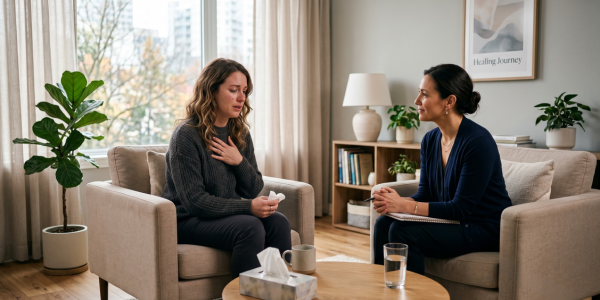
Have you ever wondered why you constantly feel overwhelmed, forget important tasks, or struggle to stay organized—even though everyone assumes you’re simply “busy” or “stressed”? For many women, these challenges may point to something deeper.
ADHD in Women is often overlooked because its symptoms can look very different from the classic image of hyperactive young boys. Instead of being disruptive or impulsive, women may quietly battle chronic disorganization, emotional overwhelm, anxiety, and difficulty managing daily responsibilities. Unfortunately, these symptoms are frequently mistaken for personality traits, stress, or other mental health conditions.
The reality is that ADHD in Women affects millions of adults worldwide, yet many go undiagnosed until their 30s, 40s, or even later. Understanding ADHD in Women can be the first step toward receiving the right diagnosis, effective treatment, and a better quality of life.
In this guide, we’ll explore the most common signs, why women are often misdiagnosed, available treatment options, and when it’s time to seek professional help.
What Is ADHD in Women?
Attention-Deficit/Hyperactivity Disorder (ADHD) is a neurodevelopmental condition that affects attention, executive functioning, emotional regulation, and impulse control. While ADHD has long been associated with childhood behavior problems, research now shows that many girls and women experience symptoms that are quieter and easier to miss.
Unlike the stereotype of someone who cannot sit still, women often experience internal restlessness, racing thoughts, forgetfulness, and emotional sensitivity. Because these symptoms may not disrupt classrooms or workplaces in obvious ways, diagnosis is often delayed.
Many women spend years believing they are lazy, disorganized, or simply “not trying hard enough,” when in reality their brain processes information differently.
Learn more about ADHD signs that are often missed.
Why ADHD in Women Is Frequently Misdiagnosed
Several factors contribute to delayed diagnosis:
Girls Often Learn to Mask Symptoms
Many girls become skilled at hiding their struggles. They may work twice as hard to appear organized while silently feeling overwhelmed.
Symptoms Are More Internal
Rather than hyperactivity, women commonly experience:
- Daydreaming
- Difficulty focusing
- Mental exhaustion
- Emotional overwhelm
- Forgetfulness
These signs can easily be mistaken for anxiety or depression.
Hormonal Changes Affect Symptoms
Hormones influence dopamine levels, which play a significant role in ADHD. Symptoms may worsen during:
- Puberty
- Pregnancy
- Postpartum
- Perimenopause
- Menopause

How ADHD in Women Affects Daily Life
Living with ADHD in Women goes beyond occasional forgetfulness. It can influence nearly every aspect of life, including careers, education, finances, parenting, and relationships.
Many women become experts at masking their symptoms, but maintaining that appearance often comes at the cost of chronic stress and burnout. Over time, this can contribute to anxiety, depression, low confidence, and emotional exhaustion.
Recognizing these patterns is essential because proper diagnosis opens the door to effective support rather than years of self-blame.
Conditions Commonly Confused with ADHD
Several mental health conditions share overlapping symptoms.
Anxiety Disorders
Difficulty concentrating due to constant worry can resemble ADHD.
Depression
Low motivation, forgetfulness, and poor concentration may occur with depression.
Bipolar Disorder
Mood fluctuations sometimes resemble impulsivity, though the underlying causes differ.
Thyroid Disorders
Hormonal imbalances may contribute to fatigue and concentration difficulties.
A comprehensive mental health evaluation helps distinguish between these conditions.
How ADHD in Women Is Diagnosed?
There is no single laboratory test for ADHD.
Instead, healthcare professionals evaluate:
- Current symptoms
- Childhood history
- School experiences
- Family history
- Daily functioning
- Emotional well-being
Diagnosis also involves ruling out medical or psychological conditions that may mimic ADHD symptoms.
Treatment Options for ADHD in Women
Effective treatment is highly individualized and often combines several approaches.
Medication
Prescription stimulant and non-stimulant medications may improve focus, attention, and impulse control for many individuals.
Cognitive Behavioral Therapy (CBT)
CBT helps women build healthier thinking patterns while developing practical coping skills for organization and emotional regulation.
ADHD Coaching
Coaches focus on:
- Time management
- Goal setting
- Organization
- Accountability
- Productivity systems
Lifestyle Changes
Healthy daily habits can significantly improve symptom management.
These include:
- Consistent sleep schedules
- Regular physical activity
- Balanced nutrition
- Mindfulness practices
- Structured routines
Digital Organization Tools
Using calendars, reminders, planners, and task management apps can reduce cognitive overload and improve productivity.
Practical Strategies to Manage ADHD Every Day
Small, consistent habits often make a meaningful difference.
Break Tasks Into Smaller Steps
Large projects become less intimidating when divided into manageable actions.
Use Visual Reminders
Sticky notes, whiteboards, and digital reminders help reduce forgetfulness.
Limit Distractions
Create a workspace with minimal interruptions when possible.
Follow Predictable Routines
Morning and evening routines reduce decision fatigue.
Practice Self-Compassion
Remember that ADHD is a medical condition—not a lack of intelligence, motivation, or effort.
When Should You Seek Professional Help?
Consider scheduling a mental health evaluation if you:
- Constantly feel overwhelmed
- Struggle to stay organized despite repeated efforts
- Frequently miss deadlines
- Experience ongoing anxiety alongside concentration problems
- Notice symptoms interfering with work or relationships
- Feel emotionally exhausted from trying to “keep it all together”
Receiving an accurate diagnosis can provide clarity and open the door to treatments that improve daily functioning and overall well-being.
Frequently Asked Questions
Can ADHD develop in adulthood?
Current evidence suggests ADHD begins in childhood, but many women are not diagnosed until adulthood because symptoms were subtle or masked earlier in life.
Is ADHD more common in women than previously believed?
Yes. Improved awareness has shown that many women were historically underdiagnosed due to differences in how symptoms present.
Can hormones make ADHD symptoms worse?
Yes. Hormonal fluctuations during puberty, pregnancy, postpartum, perimenopause, and menopause may increase symptom severity for some women.
Can ADHD be treated successfully?
Absolutely. Many women experience significant improvements through a combination of medication, therapy, lifestyle changes, and practical organizational strategies.
Call to Action
If persistent inattention, emotional overwhelm, or disorganization is affecting your daily life, professional support can make a meaningful difference. At Essential Mind Health, our experienced providers offer comprehensive mental health evaluations, personalized treatment plans, medication management, and compassionate care tailored to your unique needs.
Schedule an appointment today and take the first step toward understanding and effectively managing ADHD.