
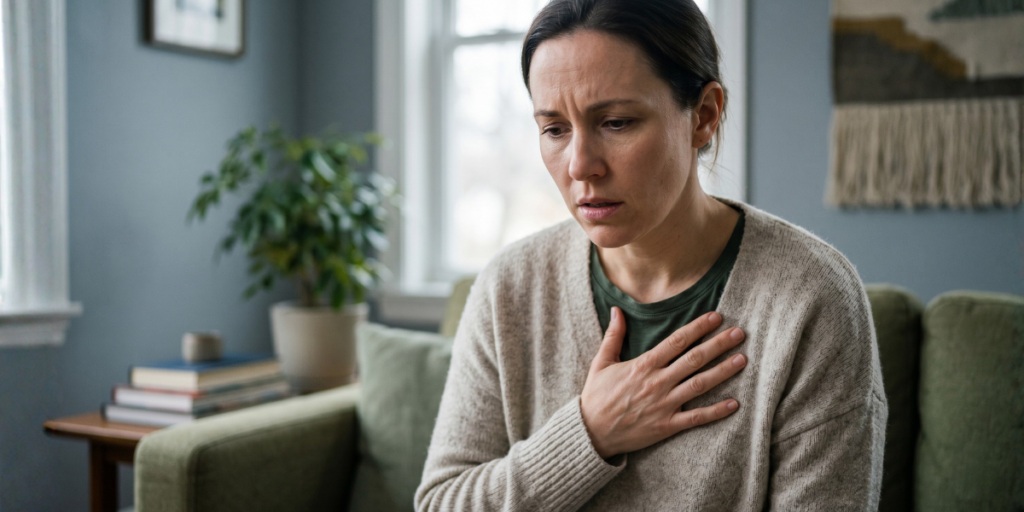
Physical Symptoms of Anxiety Disorder
Anxiety is often thought of as a mental or emotional condition, but it can also create powerful physical symptoms that affect the entire body. Many adults experience ongoing physical discomfort without realizing that it may be the underlying cause. Rapid heartbeat, chest tightness, headaches, dizziness, muscle tension, fatigue, and digestive issues are just some of the ways this disorder can appear physically.
At Essential Mind Health, we understand that anxiety is more than excessive worry. It can impact sleep, energy levels, concentration, relationships, and physical health. Recognizing the physical symptoms of anxiety disorder is an important step toward seeking proper support and treatment.
Understanding Anxiety Disorder
Anxiety is a natural response to stress or danger. However, when anxious thoughts become constant, overwhelming, or difficult to control, they may develop into this disorder. It can affect people emotionally, mentally, and physically, often interfering with daily life and overall well-being.
The body responds to anxiety through the “fight or flight” response. This survival mechanism releases stress hormones such as adrenaline and cortisol, preparing the body to react quickly to danger. When disorder becomes chronic, the body may remain in a constant state of alertness, leading to ongoing physical symptoms.
Why Anxiety Causes Physical Symptoms
The connection between the mind and body is extremely strong. When a person experiences anxiety, the nervous system becomes activated, triggering changes throughout the body. Heart rate increases, muscles tighten, breathing changes, and stress hormones rise.
Over time, repeated activation of the stress response can create noticeable physical discomfort. Some individuals may even mistake symptoms for serious medical conditions because the physical effects can feel intense and alarming.
Understanding how this affects the body can help individuals feel less fearful about their symptoms and encourage them to seek professional support.
Rapid Heartbeat and Heart Palpitations
One of the most common physical symptoms is a rapid heartbeat or heart palpitations. This can make the heart feel like it is racing, pounding, fluttering, or skipping beats.
This happens because the body releases adrenaline during periods of stress or fear. While these sensations can feel frightening, they are often connected to the body’s stress response rather than a heart problem.
People experiencing anxiety-related heart symptoms may notice:
- Increased heart rate
- Pounding chest sensations
- Sudden awareness of heartbeat
- Tightness in the chest
- Feeling short of breath
Persistent chest pain or severe symptoms should always be evaluated by a medical professional to rule out other health conditions.
Shortness of Breath and Breathing Difficulties
Anxiety can cause rapid breathing, shallow breaths, or the sensation of not getting enough air.
This may lead to symptoms such as:
- Hyperventilation
- Chest tightness
- Feeling smothered
- Difficulty taking deep breaths
- Dizziness or lightheadedness
Breathing difficulties are especially common during panic attacks, where individuals may suddenly feel intense fear and physical distress.
Learning breathing techniques and relaxation exercises can help calm the nervous system and reduce these symptoms.
Muscle Tension and Body Pain
Chronic anxiety often causes the muscles to remain tense for long periods of time. This ongoing tension can lead to physical discomfort and pain throughout the body.
Common anxiety-related muscle symptoms include:
- Neck pain
- Shoulder tightness
- Jaw clenching
- Back pain
- Muscle soreness
- Frequent tension headaches
Some people may not realize how much stress they are carrying physically until muscle pain begins interfering with daily activities or sleep.
Relaxation techniques, stretching, exercise, and therapy can help reduce muscle tension.
Fatigue and Low Energy
It can be emotionally and physically exhausting. Constant worrying, racing thoughts, and increased stress hormones place significant strain on the body, often leading to ongoing fatigue.
Adults with anxiety may feel:
- Physically drained
- Mentally exhausted
- Low motivation
- Difficulty concentrating
- Tired even after sleeping
Poor sleep quality can make fatigue even worse. Over time, chronic exhaustion may impact work performance, relationships, and overall quality of life.
Digestive Problems and Stomach Discomfort
The digestive system is highly connected to emotional health. Can affect digestion and create uncomfortable gastrointestinal symptoms.
Common digestive symptoms may include:
- Nausea
- Stomach pain
- Bloating
- Diarrhea
- Loss of appetite
- Increased appetite
- Acid reflux
Stress hormones can interfere with normal digestion, especially during periods of intense anxiety or panic.
Many individuals notice that their stomach symptoms worsen during stressful situations, social events, or emotionally overwhelming experiences.
Dizziness and Lightheadedness
Dizziness is another common physical symptom. Rapid breathing and heightened stress responses can affect oxygen and carbon dioxide levels in the body, creating sensations of lightheadedness or imbalance.
People may experience:
- Feeling faint
- Unsteadiness
- Blurred vision
- Weakness
- Spinning sensations
Grounding exercises and slow breathing techniques can often help reduce these sensations.
Excessive Sweating and Shaking
Anxiety activates the body’s stress response, which may trigger sweating and trembling even in non-dangerous situations.
Adults with anxiety may notice:
- Sweaty palms
- Night sweats
- Trembling hands
- Body shaking
- Sudden chills or hot flashes
These physical reactions are common during stressful events, panic attacks.
Although uncomfortable, these symptoms are part of the body’s natural response to stress.
Sleep Problems and Insomnia
Sleep disturbances are extremely common among adults with anxiety disorders. Racing thoughts and excessive worry can make it difficult to relax or fall asleep.
Sleep problems may include:
- Difficulty falling asleep
- Waking frequently during the night
- Nightmares
- Restless sleep
- Early morning waking
- Feeling tired after sleeping
Poor sleep can intensify the symptoms, creating a cycle that becomes difficult to break without proper support.
Healthy sleep habits and treatment can significantly improve sleep quality over time.
Headaches and Migraines
Stress and muscle tension often contribute to headaches in people with anxiety disorders. Frequent attacks may trigger:
- Tension headaches
- Pressure around the head
- Migraines
- Eye strain
- Neck-related headaches
Chronic headaches can become physically draining and may increase emotional distress if left unmanaged.
Reducing stress levels and learning relaxation techniques can help minimize headache frequency.
Panic Attacks and Intense Physical Symptoms
Panic attacks are sudden episodes of intense fear that create overwhelming physical symptoms. Many individuals believe they are experiencing a medical emergency during a panic attack because the symptoms can feel extremely severe.
Panic attack symptoms may include:
- Chest pain
- Rapid heartbeat
- Sweating
- Dizziness
- Shaking
- Numbness or tingling
- Shortness of breath
- Fear of losing control
While panic attacks are frightening, they are treatable with professional mental health support and coping strategies.
How Anxiety Affects Daily Life
The physical symptoms of anxiety disorder can affect many areas of daily life. Adults may avoid social situations, struggle at work, cancel plans, or become fearful of situations that trigger symptoms.
Over time, can impact:
- Personal relationships
- Job performance
- Physical health
- Self-confidence
- Emotional well-being
- Sleep quality
- Social activities
Without treatment, the stress caused by ongoing physical symptoms may increase emotional exhaustion and reduce overall quality of life.
When to Seek Professional Help
Occasional anxiety is normal, but persistent physical symptoms should not be ignored. Seeking professional support can help individuals understand the root cause of their symptoms and develop healthier coping strategies.
It may be time to seek help if symptoms:
- Occur frequently
- Interfere with daily life
- Cause panic attacks
- Affect sleep or appetite
- Create fear or avoidance behaviors
- Lead to emotional distress
Mental health professionals can provide therapy, stress management techniques, and personalized treatment plans to improve both emotional and physical symptoms.
Effective Treatment for Anxiety Disorder
Treatment often includes a combination of therapy, lifestyle changes, stress management, and sometimes medication
Therapy and Counseling
Cognitive Behavioral Therapy (CBT) is one of the most effective approaches for managing symptoms.
Therapy can help adults:
- Manage anxious thoughts
- Reduce physical stress symptoms
- Improve emotional regulation
- Develop healthy coping skills
- Build confidence and resilience
Lifestyle Changes That Support Recovery
Healthy lifestyle habits can play an important role in reducing anxiety symptoms.
Helpful strategies include:
- Regular physical activity
- Balanced nutrition
- Consistent sleep routines
- Deep breathing exercises
- Limiting caffeine intake
- Mindfulness practices
- Stress management techniques
Small daily improvements can support long-term emotional and physical wellness.
Bringing It All Together
The physical symptoms of disorder are real, common, and often overwhelming. Anxiety can affect the heart, muscles, digestion, breathing, sleep, and overall physical health.
With proper treatment, therapy, and support, adults can learn to manage it more effectively and improve both emotional and physical well-being. Recovery takes time, but professional care and healthy coping strategies can make a meaningful difference.
At Essential Mind Health, compassionate mental health support is available to help individuals better understand and move toward healing and emotional balance.